
Flatpay is a payment processing provider offering card terminals and payment services for businesses.
Its approach focuses on straightforward transaction pricing and reducing the complexity of traditional merchant payment agreements.
What Is Flatpay?
Flatpay provides payment solutions for businesses that accept customer payments through debit cards, credit cards, and supported digital wallets.
It primarily targets physical businesses such as retail stores, cafés, restaurants, and service providers.
The company originated in Denmark and operates in European markets.
Key Features of Flatpay
1. Card Payment Terminals
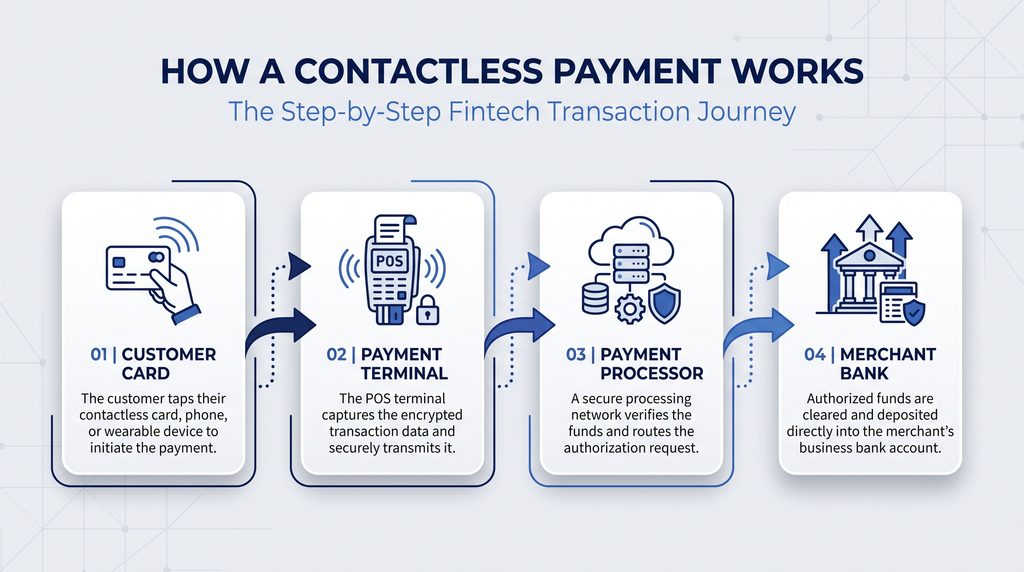
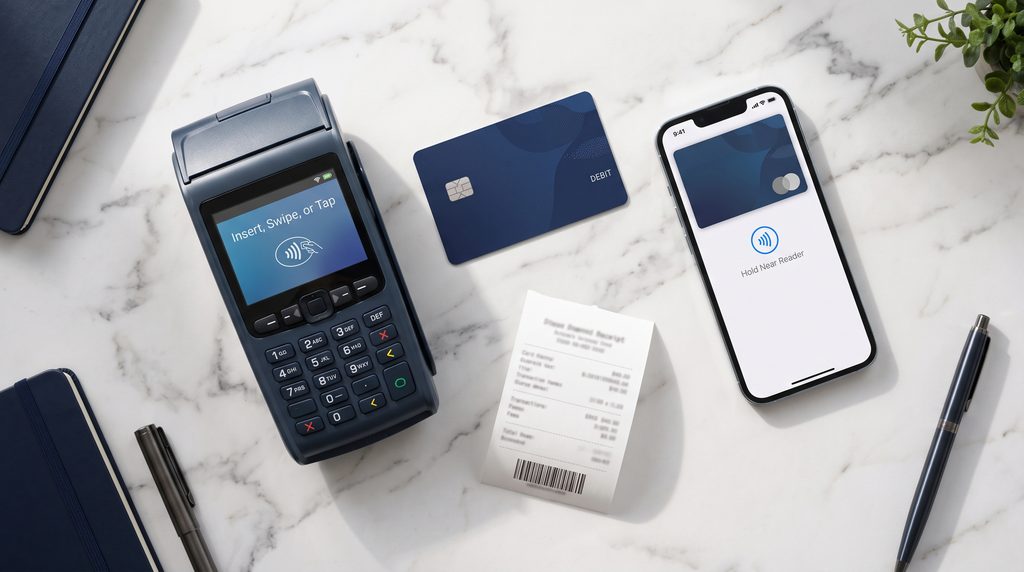
Flatpay offers terminals designed to process chip-and-PIN, contactless, and supported mobile wallet transactions.

2. Flat-Rate Transaction Pricing
The company’s model focuses on using a predictable percentage-based transaction fee rather than a complex collection of processing charges.
Actual rates depend on the market and merchant agreement.
3. Payment Reporting
Businesses can review transaction activity and payment information through supported merchant management tools.
4. Hardware Offering
Flatpay’s model can include payment terminals without separate upfront purchase or monthly rental charges, subject to local terms.
5. Customer Support
Flatpay offers merchant support services, with coverage and availability depending on the operating market.
Flatpay Pricing
Your research identifies an illustrative card processing rate of approximately 2.75% for physical transactions.
This should not be treated as a universal rate. Merchant pricing, available equipment, and contractual terms can vary by country.
Before choosing Flatpay, request a written quotation that covers processing fees, settlement schedules, refunds, and any applicable charges.
Flatpay Pros and Cons
Pros
- Straightforward pricing approach
- Physical card payment terminals
- Potentially lower hardware startup costs
- Suitable for in-person payment collection
- Transaction management features
Cons
- Geographic availability restrictions
- Flat-rate pricing may not be cheapest for high-volume merchants
- Actual costs depend on local terms
- Less relevant to businesses that do not accept card payments
Who Should Use Flatpay?
Flatpay is worth considering for retail stores, restaurants, cafés, salons, and other physical businesses looking for card payment processing.
Businesses with high transaction volumes should compare the quoted flat rate with other merchant acquiring models.
Flatpay Alternatives
Alternatives include Square, SumUp, and other payment processing providers available in your country.
Compare processing rates, terminal costs, contract conditions, payment settlement, and customer support.
Final Verdict
Flatpay offers an appealing payment processing model for businesses that value predictable transaction costs.
Its suitability depends on your country, transaction volume, and the actual merchant agreement.
Explore Flatpay: https://www.flatpay.com/
Research-based review. Confirm country-specific pricing and contract terms directly with the provider.